August 25, 2026
The process of extracting underground water requires an analytical blend of engineering precision, geological assessment, and mechanical scaling. One of the defining variables governing the ultimate expense of an underground extraction project is the target vertical distance of the shaft. Adjusting your infrastructure to accommodate these varying subterranean layers alters your total logistical obligations, material volumes, and labor schedules. Understanding how these subterranean dimensions dictate your budget allows landowners to execute highly calculated investments. This guide outlines the precise structural, economic, and operational dynamics that shift alongside the changing geometry of an excavation project.
Evaluating Subterranean Distances
Differentiating shallow water systems from deep, high-yield subterranean shafts establishes the blueprint for your entire installation timeline. Shallow extractions, typically measuring less than thirty meters, generally satisfy basic residential consumption and domestic irrigation demands. However, tapping into high-volume aquifers or securing specialized agricultural and industrial utility lines requires boring significantly deeper into the earth. Choosing specialized well drilling services becomes necessary as the project transitions past loose topsoil and enters highly pressurized underground zones. These profound distance variations dictate the exact structural caliber of the machinery required and alter baseline utility pricing.
Surveying Regional Geologies
Analyzing the structural composition of local rock formations prevents catastrophic equipment failures during an excavation. Some geographic regions feature dense, abrasive granite bands that demand heavy diamond-tipped boring bits, whereas other territories sit atop soft, shifting sedimentary layers. Incorporating professional well drilling services ensures that your contractor can accurately anticipate these underground structural anomalies before deployment. Conducting comprehensive pre-drilling geological scans allows project managers to select matching machinery configurations, minimizing tool wear and reducing emergency site downtime.
Auditing National Statistics
Quantifying the scope of residential and commercial utility scaling illustrates the immense economic significance of underground water infrastructure. The continuous expansion of rural communities and modern agricultural networks drives a constant nationwide demand for private utility independence. According to SC Well Service, each year, around 500,000 new water wells are drilled in the United States, highlighting a massive, sustained corporate and residential investment in localized water security. Managing this continuous infrastructure expansion safely requires relying on credentialed well drilling services capable of balancing deep material installation budgets with strict environmental standards.
Monitoring Environmental Hazards
Boring deep vertical shafts requires implementing protective safeguards to insulate delicate local ecosystems from mechanical contamination. Deep excavations pierce through multiple independent geological strata, creating potential pathways for surface runoff or cross-aquifer pollution if handled improperly. Utilizing premium well drilling services ensures that technicians execute rigorous mud-logging procedures and seal the upper borehole properly to preserve regional water tables. Deploying these eco-conscious site protections minimizes the environmental footprint of heavy diesel machinery and keeps your job site compliant with modern conservation laws.
Navigating Permitting Frameworks
Fulfilling municipal structural codes and regional water-use mandates represents an essential regulatory phase of any excavation project. Local environmental protection agencies enforce strict setback distances, minimum depth requirements, and water testing protocols to protect public health. Contracting licensed well drilling services ensures that your project paperwork moves through municipal approval pipelines smoothly without triggering administrative penalties. Securing these legal clearances before mobilizing heavy machinery protects your real estate title and prevents expensive project delays.
Specifying Steel Casings
Securing structural integrity across an extended vertical shaft demands massive quantities of high-grade steel casing and specialized drive shoes. As the boring depth increases, the lower sections of the line are subjected to extreme lateral earth pressures and shifting soil loads. Investing in professional well drilling services ensures your system is lined with heavy-walled, corrosion-resistant casings that prevent borehole collapse. This extensive material allocation represents a significant portion of your total project overhead but guarantees clean, debris-free water delivery for decades.
Applying Sealing Grouts
Injecting high-density bentonite grout or specialized cement slurries down the outer perimeter of the casing prevents hazardous surface water migration. This critical sealing process must be executed under immense pressure to ensure the grout completely fills the void between the steel line and the raw earth wall. Relying on expert well drilling services guarantees that the cement mixture sets perfectly without air pockets or structural voids. This protective barrier isolates your drinking water supply from shallow, contaminated groundwater zones, preserving your household health.
Managing Consumable Wear
Replacing worn mechanical drill bits, specialized cutting fluids, and hydraulic seals becomes increasingly frequent as a borehole deepens. Extended contact with dense underground stone generates intense friction and heat, dulling heavy machinery components rapidly. Partnering with a well-equipped well drilling services provider ensures that the crew carries an extensive inventory of on-site replacement tooling to keep construction moving. Factoring these minor mechanical consumables into your master budget prevents unexpected cost surges during deep rock operations.
Sourcing Elite Technicians
Operating sophisticated high-pressure hydraulic machinery demands highly trained, safety-certified field engineers who understand subterranean dynamics. Deep operations introduce complex variables like high-pressure gas pockets, lost circulation zones, and shifting sand strata that require immediate technical adjustments. Top-tier contractors invest heavily in ongoing workforce training and advanced safety certifications to protect their crews and your property. Paying for this elite technical expertise safeguards your capital investment and ensures the physical safety of the job site.
Mitigating Crew Fatigue
Extended boring operations demand rigorous shift rotations and structured rest intervals to preserve workforce focus and site safety. The physical strain of handling heavy steel casing strings and monitoring industrial machinery over multi-day schedules can quickly dull human reaction times if unmanaged. Professional site managers implement strict fatigue-management protocols to prevent operational mistakes or equipment damage during late-stage construction phases. Keeping your crew alert and well-rested ensures that every joint is welded perfectly and every casing string is driven straight.
Optimizing Machine Capacities
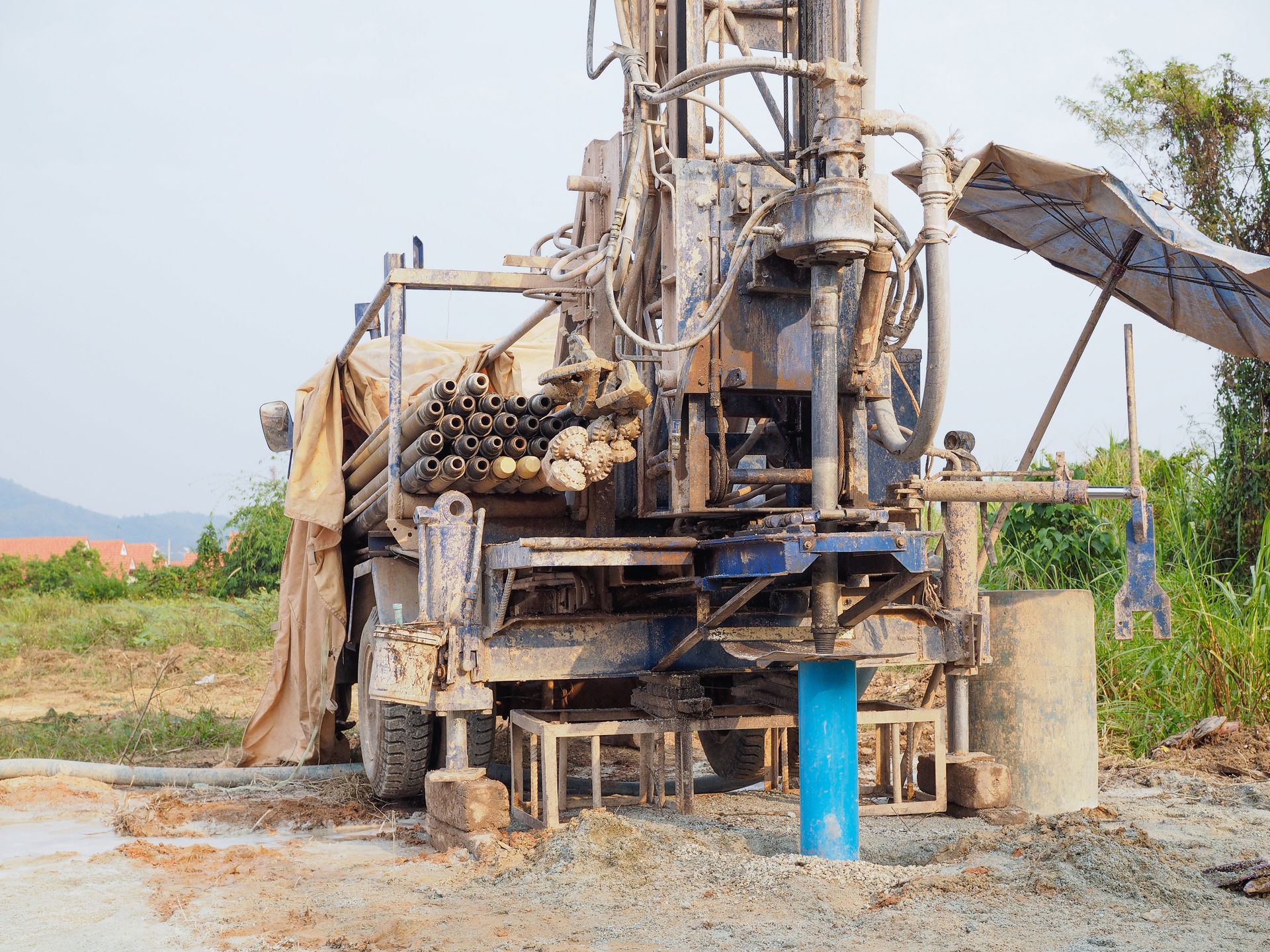
Matching the exact horsepower and hoisting capacity of a drilling rig to your specific target depth prevents catastrophic transmission strain. Deep rock boring requires massive rotary torque and heavy-duty pull-back capacities to manage the immense weight of the extended steel drill string. Utilizing a rig that is undersized for the job slows down construction speed and places components at risk of sudden structural failure. Selecting a contractor with a diverse, modern fleet guarantees that the deployed machinery can handle your site’s specific depth.
Executing Rig Maintenance
Adhering to strict preventative maintenance schedules for high-pressure pumps, hydraulic hoses, and mechanical cables preserves site safety. The extreme environments encountered during deep-earth operations accelerate the natural wear and tear of heavy equipment, necessitating daily inspections. Responsible operators test their safety shut-off systems and inspect their structural welds before starting the rig each morning. This disciplined maintenance routine prevents unexpected hydraulic fluid leaks and ensures uninterrupted operational momentum throughout the build.
Evaluating Financial Feasibility
Balancing your upfront excavation capital against the long-term equity value of a high-yielding private water source is vital for smart property management. While boring a deep vertical shaft demands an initial financial commitment, it entirely eliminates recurring monthly municipal utility fees. Property owners must conduct detailed financial due diligence, mapping out material costs, labor fees, and permitting expenses against the lifelong yield of the well. This analytical approach to utility budgeting ensures that your project delivers a powerful, highly sustainable return on investment.
Navigating the financial, geological, and mechanical complexities of an underground water project demands a collaborative partnership with a verified industry leader. By carefully assessing subterranean depths, specifying premium steel casings, and utilizing automated machinery, you can secure an independent, lifetime supply of clean water. To partner with a highly experienced team, explore state-of-the-art technological innovations, and receive a transparent, comprehensive project estimate tailored to your land, schedule your site assessment with Ace Drilling.