July 28, 2026
In this article, we explore some of the most common and viable questions surrounding the process of well drilling. As water is a critical resource, understanding how well drilling works can empower individuals and communities to make informed decisions about accessing groundwater. This outline will guide you through five central questions commonly asked regarding well drilling.
How Does the Well Drilling Process Work?
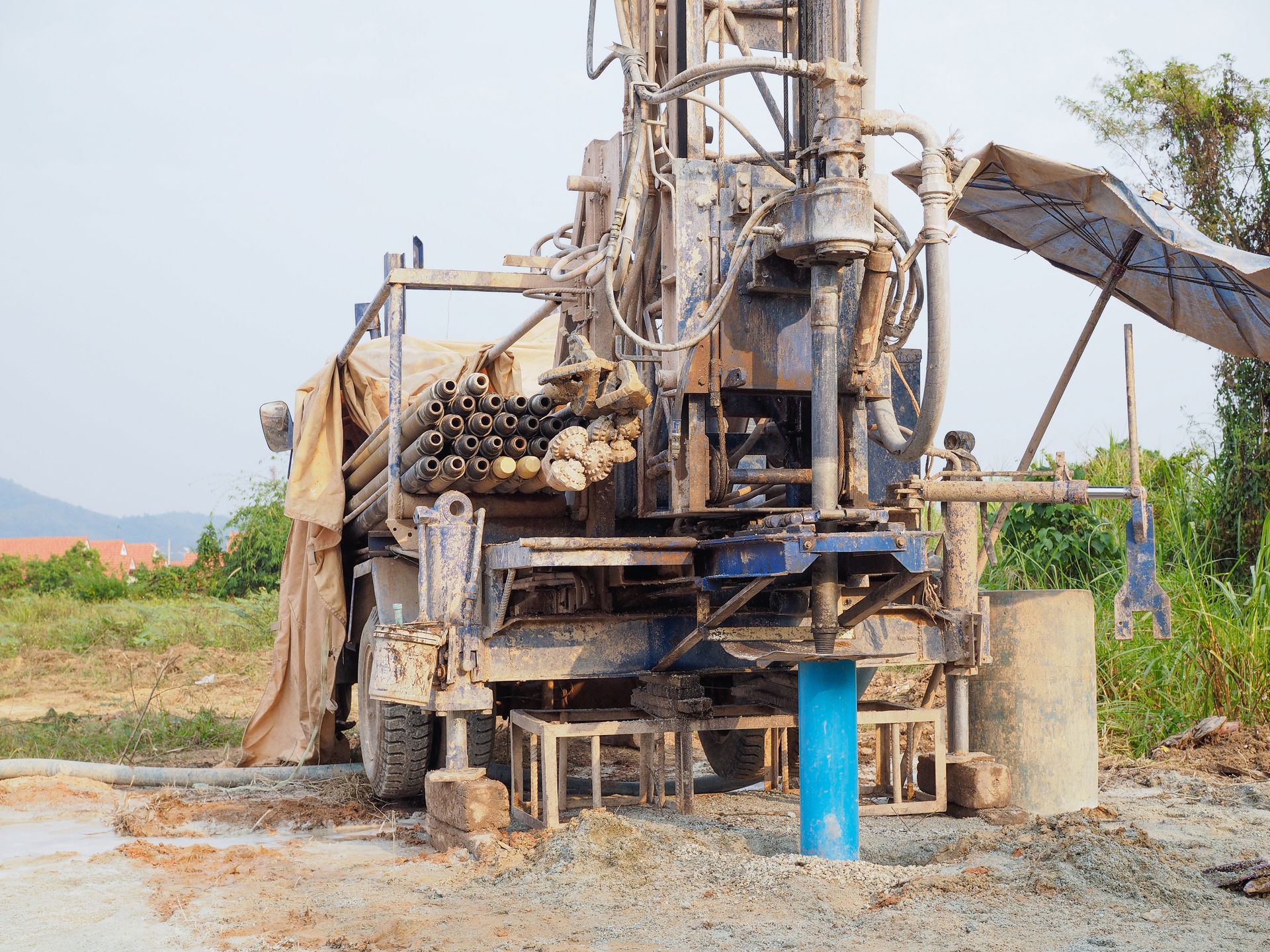
The well drilling process typically begins with an assessment of the intended site to ensure that it has the potential for yielding sufficient water. This involves a geological surveying process where professionals evaluate soil types and bedrock to determine the best drilling method. Once a site is confirmed, the actual drilling process commences, typically involving rotary drill rigs or percussion methods depending on the substratum. The chosen technology plays a crucial role in reaching the desired aquifer efficiently.
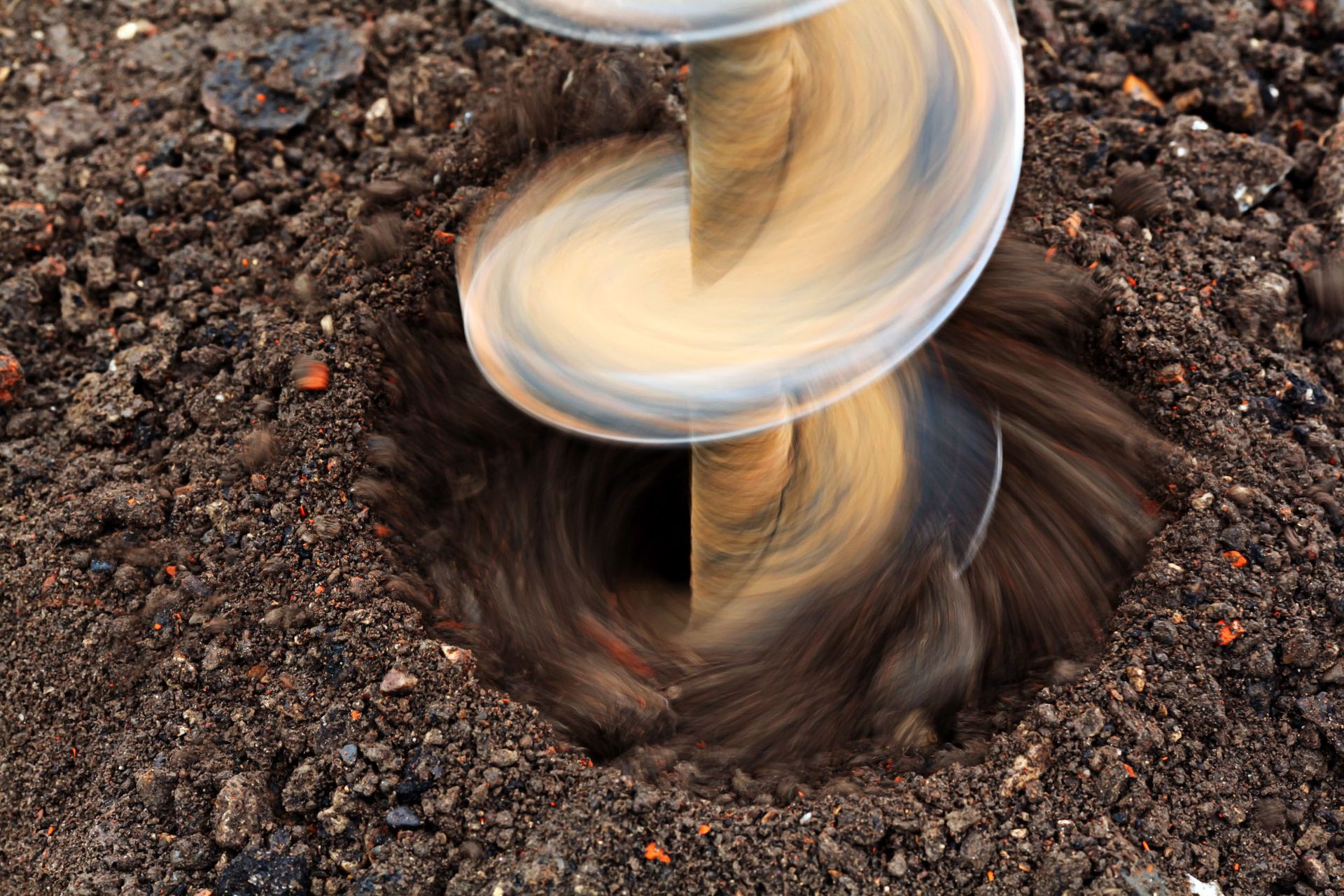
Drilling progresses as boring machines penetrate through layers of earth, requiring constant monitoring to ensure alignment and depth accuracy. It's essential to maintain precision in drilling to avoid potential hazards and challenges like hitting an impervious rock or shifting geologic layers. Installing casing is the next critical step to stabilize the interior shaft of the well. This process ensures that the well remains free of contaminants from surface level or varying subsurface levels.
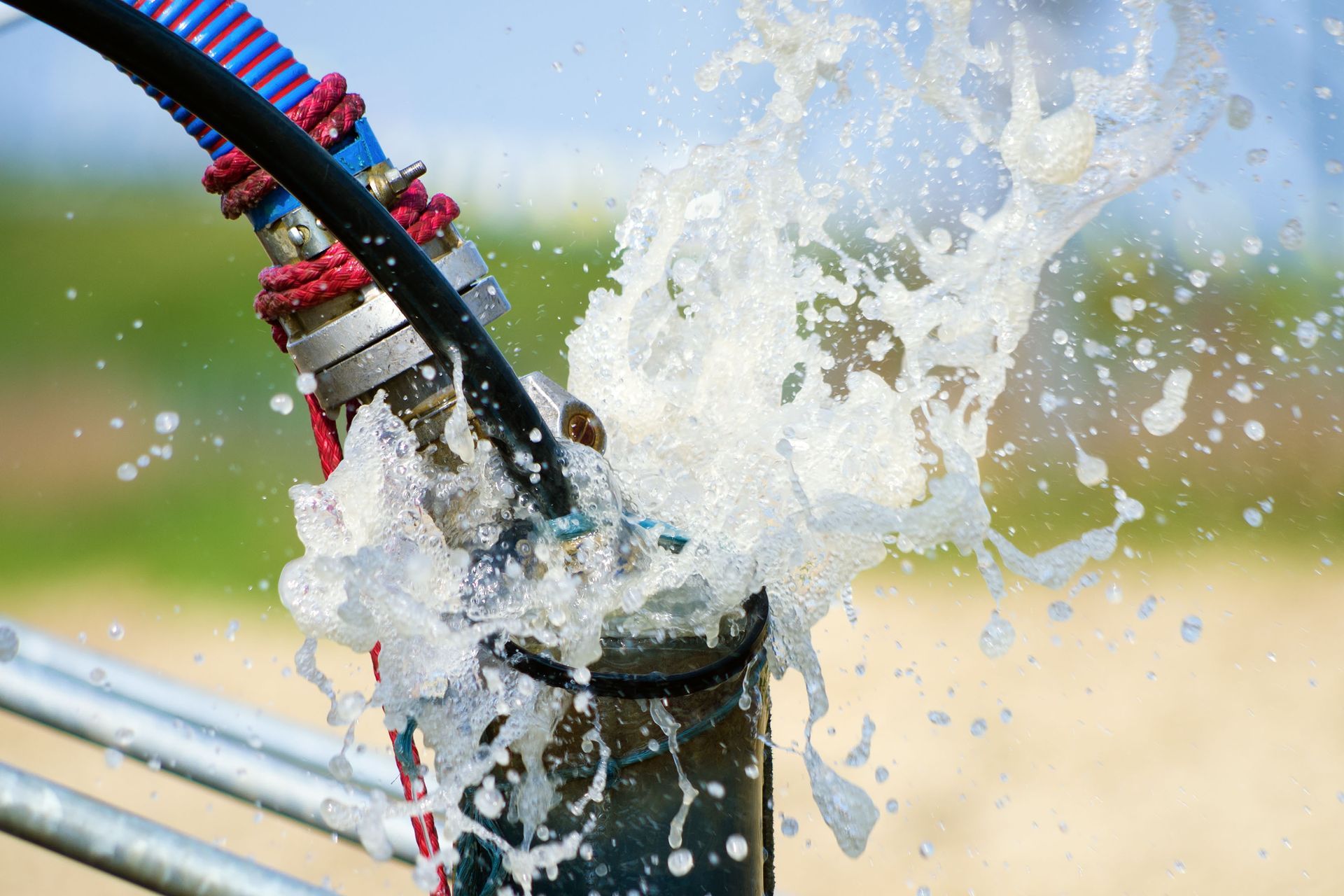
Once the drilling achieves the requisite depth and water is reached, the well is completed with a well screen to support sediment filtration. The wellhead is then installed, secured, and often elevated to prevent seepage of runoff into the well. After installation, water production capacity is tested and sometimes treated to ensure potability. Finally, the well drilling process culminates with regulatory documentation and environmental compliance checks to certify its safety and functionality.
How Do You Choose the Best Location for a Well?
Choosing the right location for a well is a decision that necessitates a multidimensional approach encompassing geological, hydrological, and legal considerations. A primary step is consulting hydrogeologists who utilize their expertise in groundwater systems to identify locations that are likely to provide an ample supply of water. Proximity to contamination sources must be avoided due to the possibility of pollutants percolating through ground layers into the water table. Additionally, well placement must conform to local zoning laws and environmental regulations that protect water tables and ecosystems.
In exploring potential locations, it is vital to understand the role of terrain and surface geology in influencing water movement and availability. Areas with natural depressions, valleys, or faults are often more conducive to underground aquifers. Attention must also be given to the impact of seasonal changes and climatic variations on groundwater levels. This ensures that the well remains productive throughout changes in rain cycles and periods of drought.
Finally, community and technical requirements round out the criteria for selecting the optimal well location. Considering future development plans, surrounding agricultural needs, and anticipated population growth helps determine a site that balances current and future water needs. Beyond productivity, ease of access for maintenance and repair should influence location decisions to minimize logistical challenges over the well’s lifespan. According to the Water Well Journal, the strategic placement contributes significantly to ensuring that a well, when correctly maintained, can last anywhere from 25 to 100 years.
What Factors Affect the Cost of Well Drilling?
The cost of well drilling is influenced by several key factors, including geological conditions, site accessibility, and the selected drilling method. Variability in soil and rock characteristics can necessitate different drilling techniques, each with unique resource requirements and challenges. For instance, encountering hard rock formations will often increase costs due to the need for specialized drilling equipment. Moreover, remote or difficult-to-access locations can drive up costs due to logistical complexities and extended transportation of materials and machinery.
Another significant determinant of cost is legal and regulatory compliance, which varies widely by jurisdiction. Permits, environmental impact assessments, and water rights applications can incur additional expenses. Furthermore, the depth and diameter of the well dictate associated material costs, including piping, casing, and pump installation. The more extensive the well dimensions, the greater the material and labor costs will be.
In considering costs, it's essential to evaluate long-term investment versus immediate expenditure. While upfront costs for quality materials and skilled labor may appear higher, they often avoid costly repairs and maintenance over time. Investing in a well with a lifespan that could span generations underscores the value of precision and quality over minimizing initial expenses. Consequently, a detailed professional consultation should guide budgeting to strategically manage the costs associated with well development.
What Types of Wells Are Available?
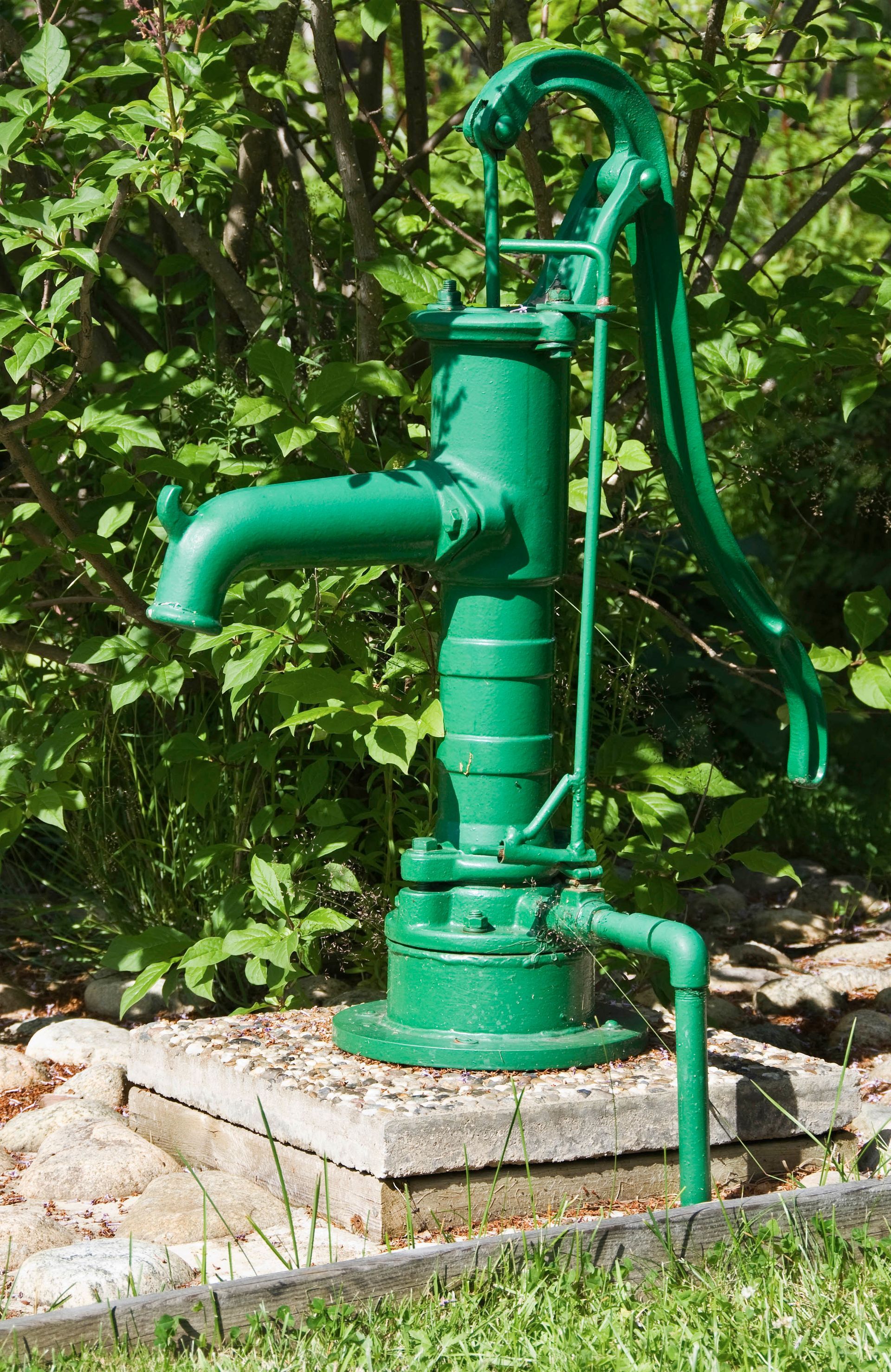
Wells, primarily categorized by their construction method and the aquifer they target, serve distinctive purposes across domestic, agricultural, and commercial applications. The most common types include dug wells, driven wells, and drilled wells, each with specific suitability based on geographical and usage criteria. Dug wells, shallow and large in diameter, are typically hand-excavated and rely on groundwater that seeps from the surrounding earth. These wells are practical in areas where groundwater is close to the surface yet are more susceptible to contamination.
Driven wells are narrow and utilize primarily groundwater from sand and gravel aquifers. Often installed using techniques that 'drive' or push pipes into the ground, they are advantageous in sedimentary terrains and known for their quick and economical construction. However, they are usually limited to areas with loose soil structures and have a moderate depth capacity. On the other hand, drilled wells, created with rotary drilling machines, reach deep aquifers and are celebrated for their durability and high yield.
Each type of well provides distinct benefits aligned with different requirements; hence, selecting the right type is crucial for maximizing resource efficiency. For instance, while drilled wells may involve higher initial costs, they often circumvent seasonal fluctuations in water availability, making them a reliable option for long-term applications. Consequently, a clear understanding of each type's advantages is essential to harness the full potential of groundwater resources effectively.
How Can You Maintain a Well for Long-Term Performance?
Ensuring the longevity and safety of a well involves adhering to a rigorous schedule of maintenance and monitoring. Regular inspections are critical to identify early signs of wear, corrosion, or contamination that could compromise water quality. Cleaning the well periodically helps maintain the efficiency of the filtration systems and minimizes sediment buildup. Furthermore, installing sanitary seals and protections against runoff helps prevent surface contaminants from seeping into the aquifer.
For added security, water quality tests should be conducted at least annually to detect any chemical or microbial presence. These assessments ensure that water remains potable and well systems continue to operate optimally. Implementing backflow prevention devices at the wellhead can also contribute significantly to maintaining water safety. Such a proactive approach can forestall more significant issues that arise from neglected well maintenance.
Understanding well drilling requires addressing a range of logistical, environmental, and safety concerns. By educating oneself about the viable questions regarding well drilling, individuals can ensure that their efforts to access underground water resources result in a sustainable and safe water supply. This article hopes to provide foundational insights into the complex process of well drilling. With knowledge and planning, individuals and communities can harness their groundwater resources to support future generations effectively. Reach out to Ace Drilling to learn more about our services today.