October 29, 2026
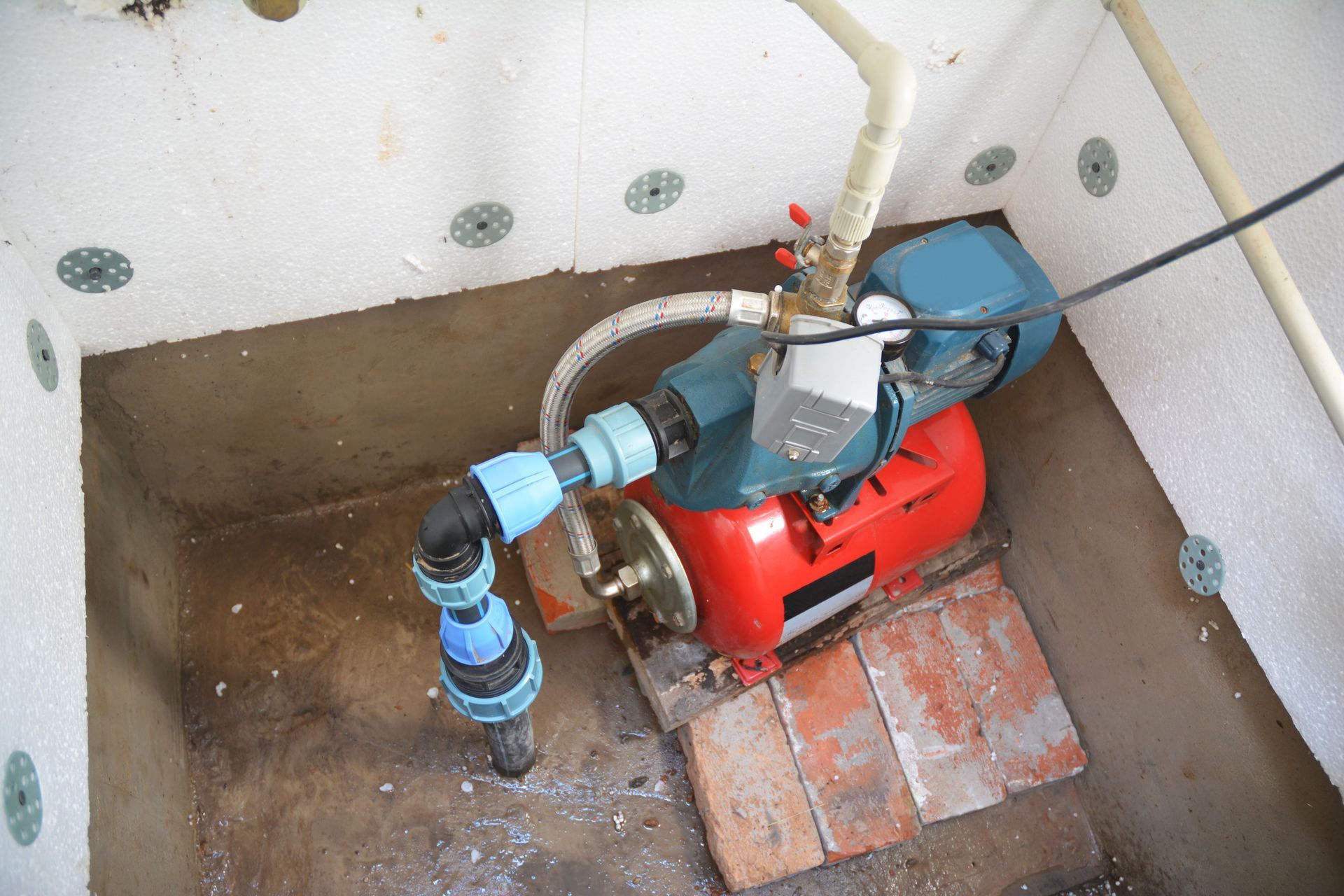
A pressure tank is an essential component in water supply systems, especially those integrated with private wells. It ensures consistent water pressure and reduces the workload on the pump. In these systems, the pump draws water from a source like a well and moves it into the pressure tank, which then disperses water throughout the building as needed. Proper maintenance and understanding of both components are crucial for anyone relying on these water systems. Unfortunately, many users risk significant wear and tear on their pumps, leading to costly repairs or replacements. As water systems are pivotal for those who rely on private wells, understanding the signs of pressure tank overwork can save both time and money while ensuring a reliable water supply. The intricacies of the pressure tank and pump system are often misunderstood, leading to negligence in maintenance practices. Transitioning into the mechanics of these systems helps us uncover exactly how an overworked pressure tank compromises your entire setup.
Maintaining the Balance With a Pressure Tank
The pressure tank plays a pivotal role in maintaining the periodic flow of water in homes not connected to municipal water supplies. By storing water at a set pressure, the tank ensures that water is readily available without the pump having to start every time a tap is opened. This mechanism conserves energy and prevents the pump from wearing out quickly due to constant cycling on and off. The tank is designed to maintain pressure by utilizing both air and water compartments to compress and expand accordingly. When water is used, the pressure decreases, prompting the pump to refill the tank to the preset pressure level. The pump operates based on a pressure switch that detects when the water pressure falls below a certain level, signaling it to activate. Proper water well service ensures that this balance remains intact over time.
Relying on the Interdependence of the Tank and Pump
Both components rely heavily on each other to provide an optimal water pressure delivery system. If one part becomes faulty or overworked, the other is forced to compensate, which causes additional wear. For example, a leaking tank may cause the pump to work more frequently, hastening wear on its mechanical parts. This interdependence necessitates periodic checks to ensure both the tank and the pump function effectively to prevent further issues. A system set up in harmony, where the pressure switch and tank volume match the pump capabilities, increases efficiency. Maintaining balanced pressure within the system is critical to extending the lifespan of both the pressure tank and the pump. Balanced pressure ensures the pump only needs to activate when necessary, conserving electricity and reducing operational costs. Keeping both components in good working condition through regular water well service prevents the risk of damage.
Identifying Normal Operational Limits With Accuracy
Every pressure tank and pump system is built with particular operational parameters in mind, designed to process a specific range of water flow and pressure. According to the National Ground Water Association, upwards of 43 million people in America depend on private water wells to supply their drinking water. With so many households relying on these systems, it is crucial to know these limits to prevent overburdening the equipment, which can lead to premature system failure. Recognizing when the system is operating beyond these limits is vital. Frequent cycling occurs when the pump turns on and off more times than usual, which is a hallmark sign of an overworked pressure tank. Rapid cycling not only increases the risk of pump damage but also leads to inefficiencies and higher bills. Comprehensive water well service helps identify and address the root cause of frequent cycling.
Catching Abnormal Pressure Readings Early
Abnormal pressure readings within the system are typically indicative of faults within the pressure tank. Readings that vary significantly from set values may suggest calibration issues, leaks, or malfunctioning components. Regularly monitoring these readings can help catch issues early before they inflict significant damage. Pressure gauges provide real-time updates and serve as the first line of diagnostics for potential problems. A properly functioning system should maintain consistent pressure levels suitable for appliances and user needs. Inconsistencies in water pressure throughout the household may suggest issues with an overworked pressure tank. These fluctuations make it difficult to perform routine activities, like showering or washing dishes, which require steady water pressure. Resolving these concerns promptly is a critical element of routine water well service.
Hearing Unusual Noises During Operation
Unusual noises, such as clanking, squealing, or banging, during the operation of the system can indicate an overworked pressure tank. Such sounds often result from air leaks, water hammer effects, or other mechanical issues, which need prompt attention. Ignoring these noises can lead to catastrophic failures and costly repairs. Furthermore, visible deformation of the pressure tank is a direct indication of mechanical stress and potential failure. This deformation can occur due to an imbalance in pressure regulation, causing the tank to expand or contract beyond its capacity. Any apparent bulging or distortion is worrying and should be addressed without delay. Constant pressure fluctuations weaken the structural integrity of the tank, eventually leading to leaks or splits. Securing professional water well service stabilizes your setup and ensures you catch these warning signs early.
Sizing Your Tank for Your Needs
Having an insufficient tank size for the household water needs is one of the primary reasons a pressure tank gets overworked. A tank too small for the system it supports will struggle to maintain the necessary pressure levels, forcing the pump to cycle more frequently. This increased cycling leads to premature wear and tear on the equipment. Additionally, incorrect pressure switch settings can lead to an array of problems, including frequent cycling, increased energy use, and accelerated wear. High-pressure settings can cause pipes to break, while low settings may result in insufficient water flow. Whether evaluating solar pumps or standard systems, scaling the equipment properly is essential. Engaging in comprehensive water well service helps maintain the correct pressure balance and sizing, ensuring optimal water delivery.
Spotting Leakages Within the System
Leakages in the system create pressure imbalances, forcing both the pressure tank and pump to work harder. Common problems like cracked joints or loose fittings may lead to reduced pressures, causing the pump to activate more frequently to maintain the desired output. Leaks impose a continuous drawback on overall effectiveness, resulting in inefficiencies and energy wastage. Moreover, obstructed inlet or outlet valves restrict water flow and contribute to imbalanced pressure conditions. Dirt, sediment, or mineral build-up are common types of blockages that arise over time. Whether you need help with well pumps or water treatment, keeping valves clear is critical for seamless operation. Regular inspections are necessary because neglected leaks and blockages raise repair costs over time.
Preventing Pump Wear and Tear
Overworking the pressure tank has a direct impact on the mechanical integrity of the pump, accelerating wear and tear. Frequent cycling leads to more instances of pump startup, causing stress on components like bearings and seals, shortening their operational life. These mechanical stresses increase the likelihood of failures and necessitate regular maintenance checks. Frequent pump activation also results in higher energy usage, reflected in increased utility bills. Each time a pump starts, it consumes a considerable amount of energy to overcome mechanical inertia, multiplying this effect across rapid cycles. Ensuring that the pump runs within its specified limits is crucial to preventing premature mechanical failures. Thorough water well service goes a long way toward protecting these investments and keeping your energy consumption reasonable.
Keeping your entire water system in top condition requires vigilance, proper sizing, and prompt attention to any signs of distress. Ignoring the early warning signs of an overworked pressure tank only leads to much larger, more expensive problems down the line. We know how vital a consistent and safe water supply is for your daily life, and our team is here to help you maintain that standard. If you notice any signs of system strain, reach out to us at Ace Drilling for professional assistance. We offer comprehensive solutions to keep your equipment running smoothly year-round. Don't wait for a complete system failure - contact us today to schedule your next inspection and ensure your water flows without interruption. Consistent water well service will keep your household running perfectly.