November 2, 2026
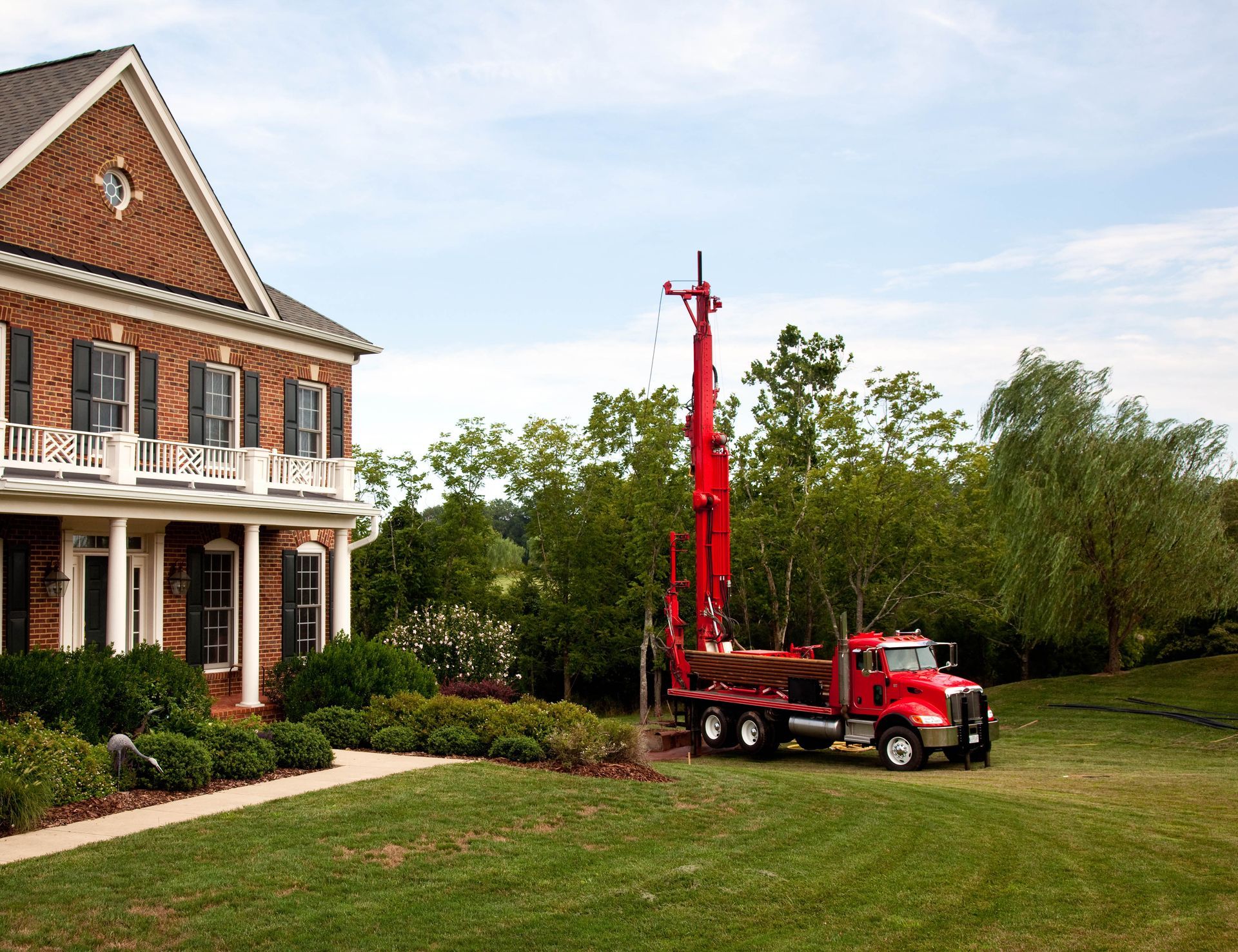
This article explores the journey of well drilling, guiding readers through every significant step that unfolds when a drilling rig arrives. This comprehensive guide provides insight into what homeowners, site managers, and curious observers can anticipate during the drilling process.
Understanding the Drilling Process
Preliminary Site Assessment
The preliminary site assessment is a critical first step in the well drilling process that evaluates the suitability of a location for drilling. Geologists and engineers analyze soil samples and assess geological conditions to ensure they are favorable for a successful operation. This phase also involves surveying the area to identify any potential environmental concerns that could impact the drilling or the future efficacy. During this stage, the team establishes estimates of the available water yield and assesses any nearby structures that might affect or be affected by drilling activities. By predicting challenges early, teams can develop contingency plans, ensuring smoother operations.
In addition to geological assessments, the site analysis includes reviewing historical water table data. This data helps predict future water availability and the sustainability of the well as a long-term water source. Stakeholders consider the local climate and seasonal variations, examining how these factors might influence the well's productivity over time. Moreover, assessments are made to determine the minimal disturbance path for creating access roads or additional infrastructure. Finally, the initial survey guides decision-making regarding the best technologies and methods for the drilling operation, balancing costs and environmental impact.
Another aspect of site assessment is the evaluation of legal requirements and local regulations. Professionals must ensure that the site selected complies with zoning laws and restrictions concerning distances from septic systems or property lines. Taking into consideration the laws on water rights is also mandatory, as well construction must not infringe upon existing water rights and usage regulations. The assessment team collaborates with legal experts to check for requisite permits and legal documentation. Thus, comprehensive site assessments serve as a robust foundation for a successful and compliant drilling project.
Selection of Drilling Techniques
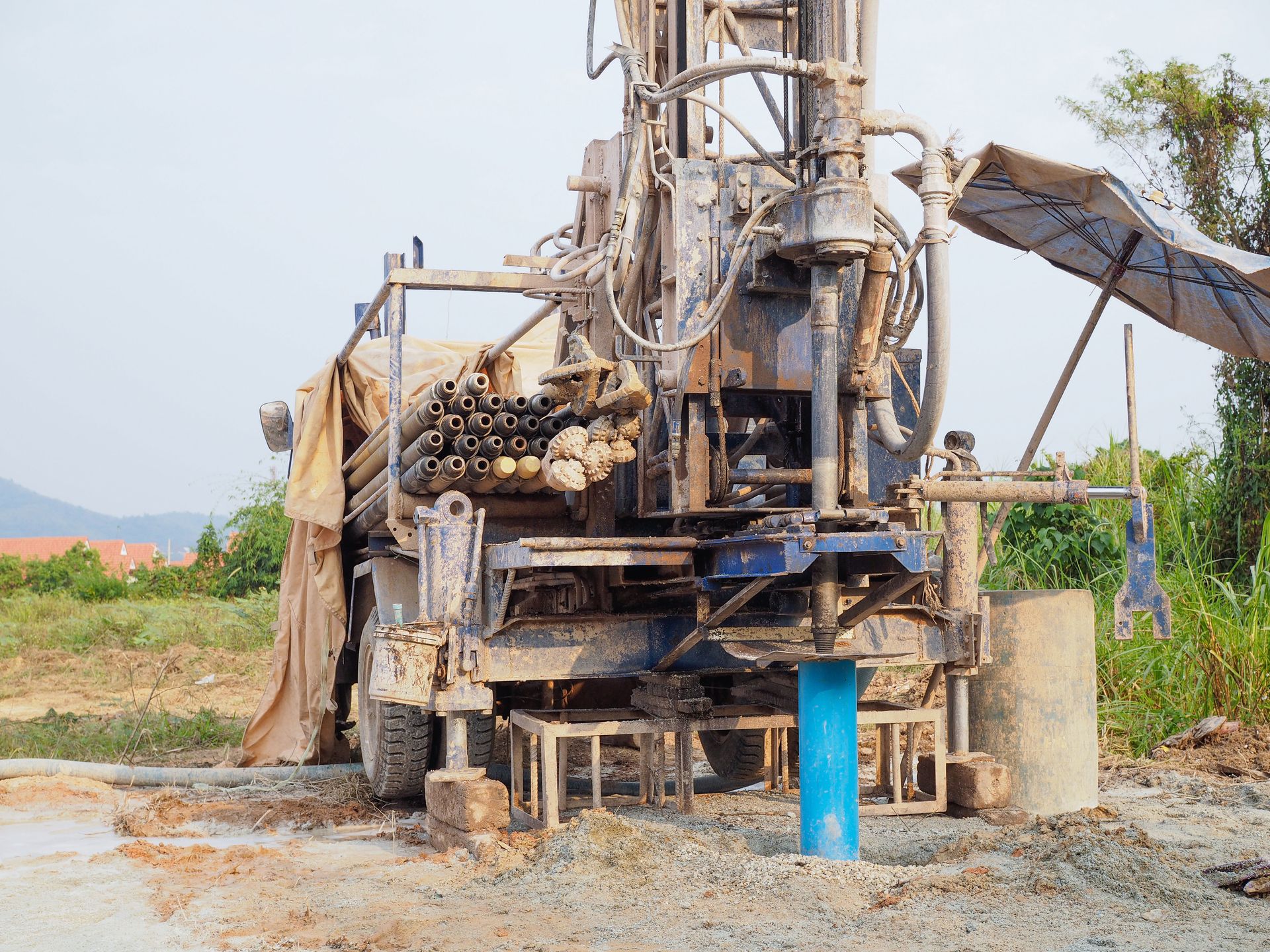
The selection of drilling techniques is pivotal for optimizing well efficiency and minimizing environmental impact. There are several techniques available, each with its own set of advantages and challenges. Rotary drilling is a common method, involving the rotation of a drill bit to grind through the earth's layers. This technique is highly versatile, capable of penetrating various soil types and rock formations. On the other hand, cable tool drilling, which uses repeated lifting and dropping of a heavy drill, might be preferred for areas with less complex geological formations.
Choosing the right technique also involves a close consideration of equipment availability and project budget. The well's depth and diameter play a significant role in determining the appropriate method; deeper wells may require more advanced rotary systems specialized for depth. With advancements in technology, hydraulic fracturing is also gaining attention for its ability to extract water from tight formations, although it may come with additional environmental constraints. Drillers should also consider potential contamination risks, selecting techniques that minimize the impact on surrounding land and water resources. Ultimately, the decision on technique is made collaboratively, balancing technical feasibility with economic and ecological sustainability.
Besides technical considerations, selection is often governed by regulatory constraints and community factors. Local governments may enforce specific guidelines favoring particular methods for safety or environmental reasons. The choice of technique may be influenced by community preferences or historical concerns about well contamination and seismic activities. Professionals must keep open lines of communication with the community to address concerns and ensure transparency in decision-making. With public confidence and regulatory compliance at the forefront, projects are more likely to reach successful completion.
Preparation of Drill Site
Preparing the drill site involves meticulous planning to ensure safety and efficiency before the actual drilling begins. Clearing and leveling the land are the primary steps, ensuring that the site is fully accessible for large machinery. It is crucial to demarcate zones for equipment storage, waste management, and emergency access routes. These clear demarcations aid in keeping the operation organized and reduce the risk of site accidents. Moreover, protecting sensitive environmental zones near the drill site often involves installing barriers or buffer zones to prevent potential contamination.
Infrastructure development at the site may include setting up temporary access roads to facilitate transportation of heavy machinery and materials. Proper drainage systems must also be constructed to handle water or mud runoff and prevent erosion. Advanced planning of parking and operational zones ensures that there is minimal disturbance to surrounding vegetation, wildlife, and local ecosystems. Teams must account for logistical challenges such as availability of fuel, supplies, and spare machinery parts on-site, reducing downtime during operations. Furthermore, site preparations should prioritize minimizing noise and dust pollution, respecting community standards and comfort.
Safety and security are paramount within site preparation initiatives. Professionals install fences or barriers to limit access to authorized personnel only, thereby reducing the risk of unauthorized entries and accidents. Safety signage must be prominently displayed, outlining potential hazards and designated safe zones. Emergency protocols are established to guide responses to unforeseen incidents and include provisions for first aid and evacuation procedures. By prioritizing thorough site preparation, the team helps ensure that the operations run smoothly, securely, and with minimal adverse impact on the local community and environment.
Establishing Safety Measures
The establishment of safety measures takes precedence in the well drilling process to safeguard personnel and equipment. Safety begins with a comprehensive risk assessment of site-specific hazards including potential gas releases, equipment malfunctions, or geological instabilities. Methods to mitigate these risks are instituted, such as employing monitoring technologies and regular equipment checks. Personal protective equipment (PPE) is mandatory for all workers, including helmets, gloves, and safety boots. Additionally, regular safety drills and training sessions are conducted to ensure team readiness in managing emergencies.
Beyond personal safety, operational protocols are set to maintain equipment integrity and prevent accidents related to mechanical failures. This involves systematic maintenance schedules and stringent checks to confirm machinery readiness before operation. Safety procedures also incorporate the standardization of communication protocols among team members to avoid miscommunication during critical operations. Regular audit trails maintain accountability and documentation of safety measures, reflecting the ongoing commitment to stringent safety standards. Furthermore, constructing proper lighting and signage at the site helps prevent accidents during low-visibility conditions.
Committees or safety task forces are essential for monitoring compliance with set regulations and safety measures. These bodies enforce safety policies and procedures, resolving issues promptly as they arise. Consideration of environmental safety measures is also important, including provisions to manage accidental spills or water contamination. Transparent reporting mechanisms help in quick resolutions of potential concerns, fostering a culture of safety and open communication. This robust framework ensures that well drilling operations adhere to high safety and operational standards, ensuring the well-being of everyone involved.
The regulatory compliance and permitting phase is crucial in any well drilling project, ensuring legal and environmental standards are met. Navigating the complex network of regulations demands a clear understanding of local, state, and federal laws governing water rights, land use, and environmental conservation. Professionals must secure the necessary permits before any physical groundwork begins, a process which can span several months depending on jurisdiction and project complexity. Permit applications typically require detailed geological surveys, environmental impact assessments, and project plans that outline intended drilling practices and safety measures. According to Water Diplomat, global per capita freshwater availability has fallen by 7% in the past decade. Be sure to reach out to Ace Drilling today to learn more about our professional well drilling!